
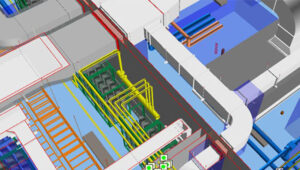
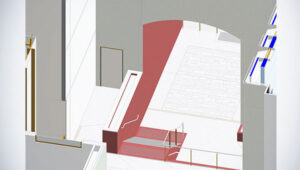
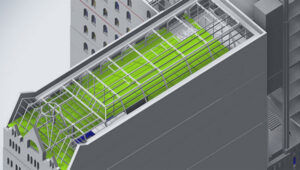
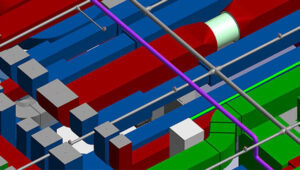



BIM coordination brings every team- mechanical, electrical, plumbing, structural, and architectural into one shared model. Teams see conflicts early, before they reach the site. That prevents delays by cutting rework and saves materials.
Clash‑free models make installation smoother. Teams know where systems go, so work moves faster with less confusion. Project managers can trust the design and the schedule.
And the value continues after handover. Reliable BIM data supports maintenance and upgrades. It also helps with future expansions. Overall, MEP BIM coordination services are not just about avoiding clashes; they help you build smarter and plan for the long term.
The Value of Clash‑Free BIM Models
Common Issues in Traditional Workflows
- Teams still work silently and do not communicate or update about the work. That is when things get confusing, and information is lost.
- During the installation phase of the project, you will face issues like systems overlapping or layouts that do not fit. Design start clashes everywhere.
- Errors discovered on the site may result in expensive rework. Time, work, and materials are wasted.
How BIM Coordination Services Solve These Challenges
- All teams work from a single, shared model, so there are fewer chances of misunderstandings.
- Before anyone starts building, clash detection tools catch problems early, so you can fix them before they get expensive.
- Coordinated plans mean less rework and fewer delays. Productivity increases.
- When contractors have accurate, reliable data, they can trust the schedule and stick to the budget. They know what to expect, and that makes a huge difference.
No surprise, the BIM market keeps getting bigger. It is set to hit $5.58 billion in 2025, and by 2035, we are expecting $20.56 billion. That is a steady 15.6% growth every year.
The Basics of BIM Coordination
Definition and Role in Construction
BIM coordination brings all teams- mechanical, electrical, plumbing, structural, and architectural into one shared coordination model. Teams work from the same source and spot issues early. This helps keep the project on track. The goal is to make sure designs fit together and avoid conflicts. It also provides reliable data for building and long‑term facility management.
Responsibilities of a BIM Coordinator
- Clash detection: Run checks to find overlaps or conflicts and fix them before construction starts.
- Model management: Keep the coordination model updated and accurate so everyone works with the latest information.
- Communication: Connect designers, contractors, and project managers to reduce miscommunication.
- Quality control: Review models for accuracy and consistency against project standards.
- Digital twin support: Help build digital twins for operations and maintenance. Also support future upgrades through these models.
Explore common MEP coordination challenges and effective fixes in Top MEP Coordination Challenges and How to Fix Them
Breaking Down the BIM Coordination Process

Initial Model Review and Data Integration
The team pulls together architectural, structural, and MEP models into one shared space. With MEP BIM coordination modelling services, mechanical, electrical, and plumbing systems actually line up with the building design right from the beginning. This way, you cut down on mistakes early and build a strong base for everything that comes next.
Clash Detection and Resolution
MEP BIM coordination services are not just about putting models together- it also lets you spot clashes and design issues before construction begins on site. Automated tools in MEP BIM coordination run through the models, find out problem areas, and even suggest how to fix them. This keeps the project moving, saves time, and prevents everyone from expensive rework later on.
Explore the role of MEP coordination in delivering clash-free BIM models in Why MEP Coordination Is Important for Clash-Free BIM Models
Multi‑Disciplinary Coordination
Mechanical, electrical, plumbing, and HVAC teams all work together in a single model. When space is limited, HVAC BIM coordination services are key. It keeps every part in the right spot, no awkward clashes or surprises. The whole design stays on track.
3D Visualization and Simulation
With 3D BIM coordination services, you can actually see how everything fits before anything gets built. Contractors use these visuals to plan installations the right way, and clients get to see exactly what they are getting. It is a smoother process from start to finish.
How BIM Coordination Improves Projects
- Catching clashes early means less rework and fewer project delays.
- Teams actually communicate with each other, thanks to real-time updates- engineers, architects, everyone stays on the same page.
- Workflows get smoother, which saves cost.
- Digital models give you better quality control because you can spot mistakes before anyone even picks up a tool.
- Better scheduling and resource allocation via coordinated timelines. Timelines are easier to manage, so resources do not go to waste.
- After construction wraps up, those models help with facility management, so the value sticks around long after the building opens.
For a deeper understanding of how coordinated MEP systems support clash-free models, explore our Complete Guide to MEP Coordination in Building Projects
Understanding Costs and ROI in BIM Coordination
BIM coordination could be expensive at first, but it is worth considering. When you identify problems early, you avoid costly rework and annoying delays on-site. Moreover, when everyone works from the same model, the team works in sync, projects just move faster, and schedules are easier to follow.
ROI Metrics
- You can save time, labor, and materials by identifying conflicts before anyone begins construction.
- Instant updates and simplified processes keep things going.
- The models are useful not just during construction but also for long-term building operations, maintenance, and renovations.
When all of this is taken into account, BIM coordination services are more than just a wise choice for the building industry. It continues to provide value for the duration of the building.
Selecting a BIM Coordinator: Key Qualities
What Should You Look For?
- Start with experience. You want someone who actually knows construction and MEP systems, not just the theory. At SmartCADD, the team digs into design details and builds spot-on BIM models using tools like Autodesk Revit and AutoCAD MEP.
- Tech matters, too. Advanced platforms like Navisworks help catch and fix clashes before anyone steps onto the site. SmartCADD uses this to identify issues early, so the real work goes smoothly.
- Do not forget the track record. SmartCADD’s project history speaks for itself- clash-free drawings, clever space planning, and BIM models that do more than just sit on a shelf. Our work helps long after the build, especially with facility management.
So, What Makes SmartCADD Different?
SmartCADD focuses on quality, tailors BIM models to each job, and offers real-world advice, whether they are on-site or working remotely. Here’s how they do it:
- Review the inputs
- Build the first model
- Run clash detection
- Coordinate all the components
- Deliver sets that are ready for construction
With this approach, projects move smoothly from the design to real-life execution.
Risks of choosing the wrong BIM coordinator
- You end up spending more money because clashes get spotted too late.
- Projects get delayed when teams don’t talk to each other.
- The quality drops if your models are not detailed or accurate enough.
- If those models are not set up for facility management, you miss out on long-term support.
Choosing a BIM coordinator is not just about software skills. You need someone you can trust- someone who cares about precision and delivers consistent results. That is what you get with SmartCADD’s MEP BIM coordination services: efficiency, clear communication, and real value that sticks around long after the build is done.
Final Thoughts
BIM coordination just makes clear benefits to any project. Teams stay on the same page, stuff gets done faster, and you do not face as many roadblocks. The digital models catch mistakes early, so you are not scrambling to fix things once construction gets going. That means less wasted time and money- no more redoing work or wastage of materials.
The real win? Systems actually fit together the way they are supposed to, so both contractors and clients can breathe easy.
BIM coordination is not just another tool. It is just a smarter way to build.